The details we need before we quote
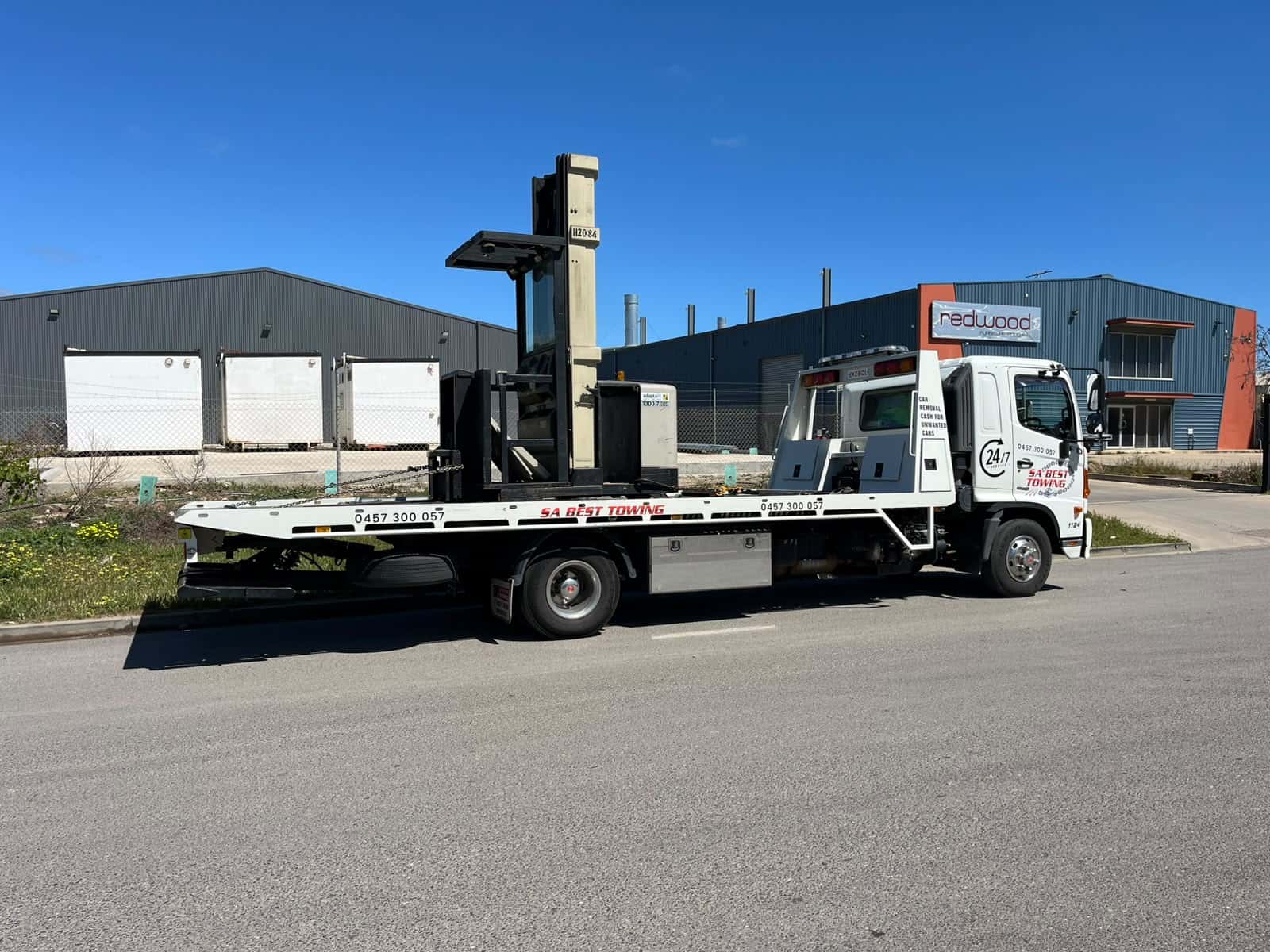
We need the container’s length and height, and whether it’s a standard or a high cube. The hire paperwork or the markings on the doors show both, along with the box’s empty weight. Our tray is 6.5 metres long and carries up to 4 tonnes, so the length and that weight tell us whether it can ride on the truck. Then give us the address at each end.
Next comes the site. Send photos of the gate, the driveway and the spot where the container will sit. We look for width, overhead wires and branches, slope, and how firm the ground is. Tell us which way the doors need to face and what the container will sit on.
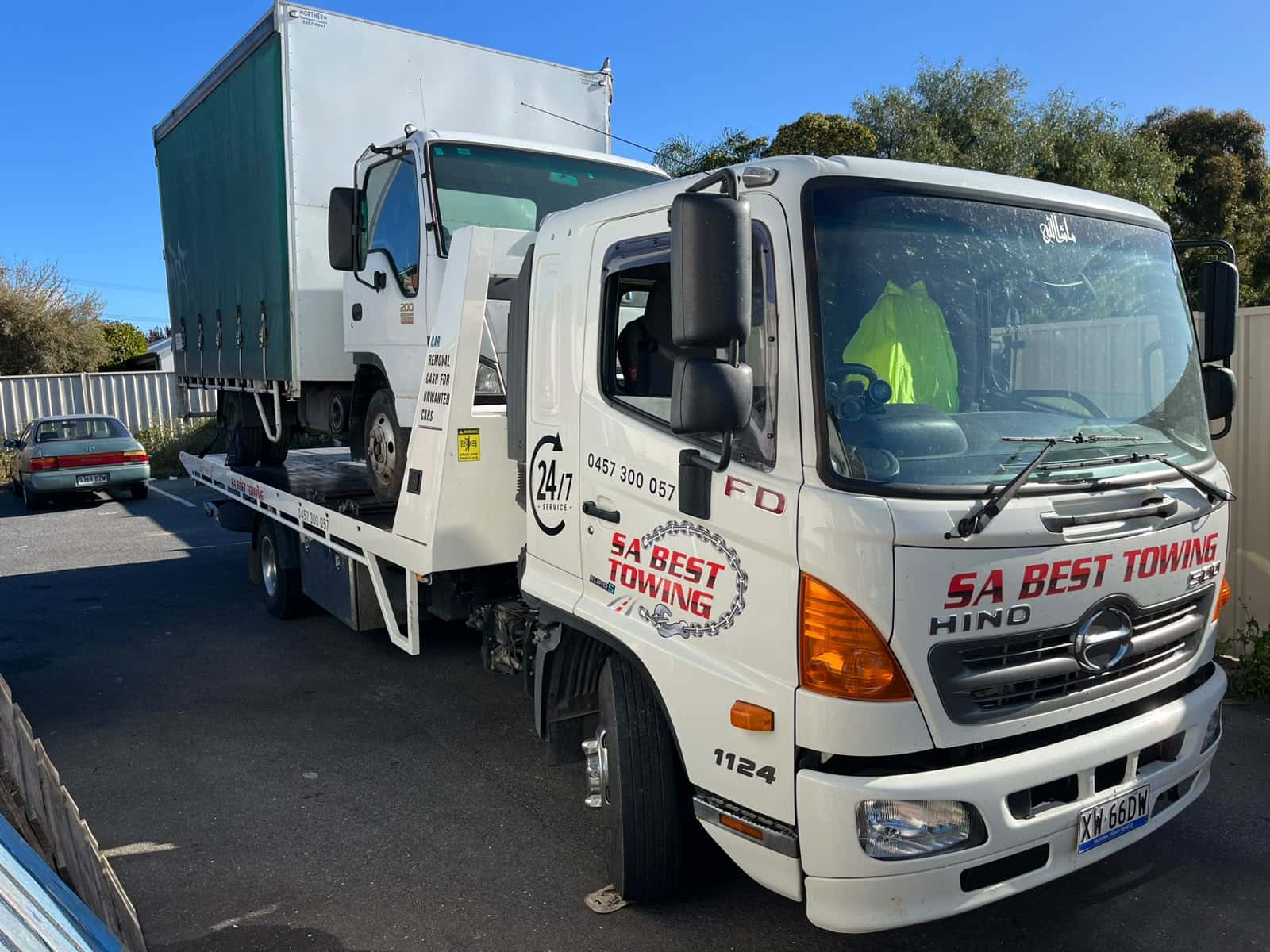
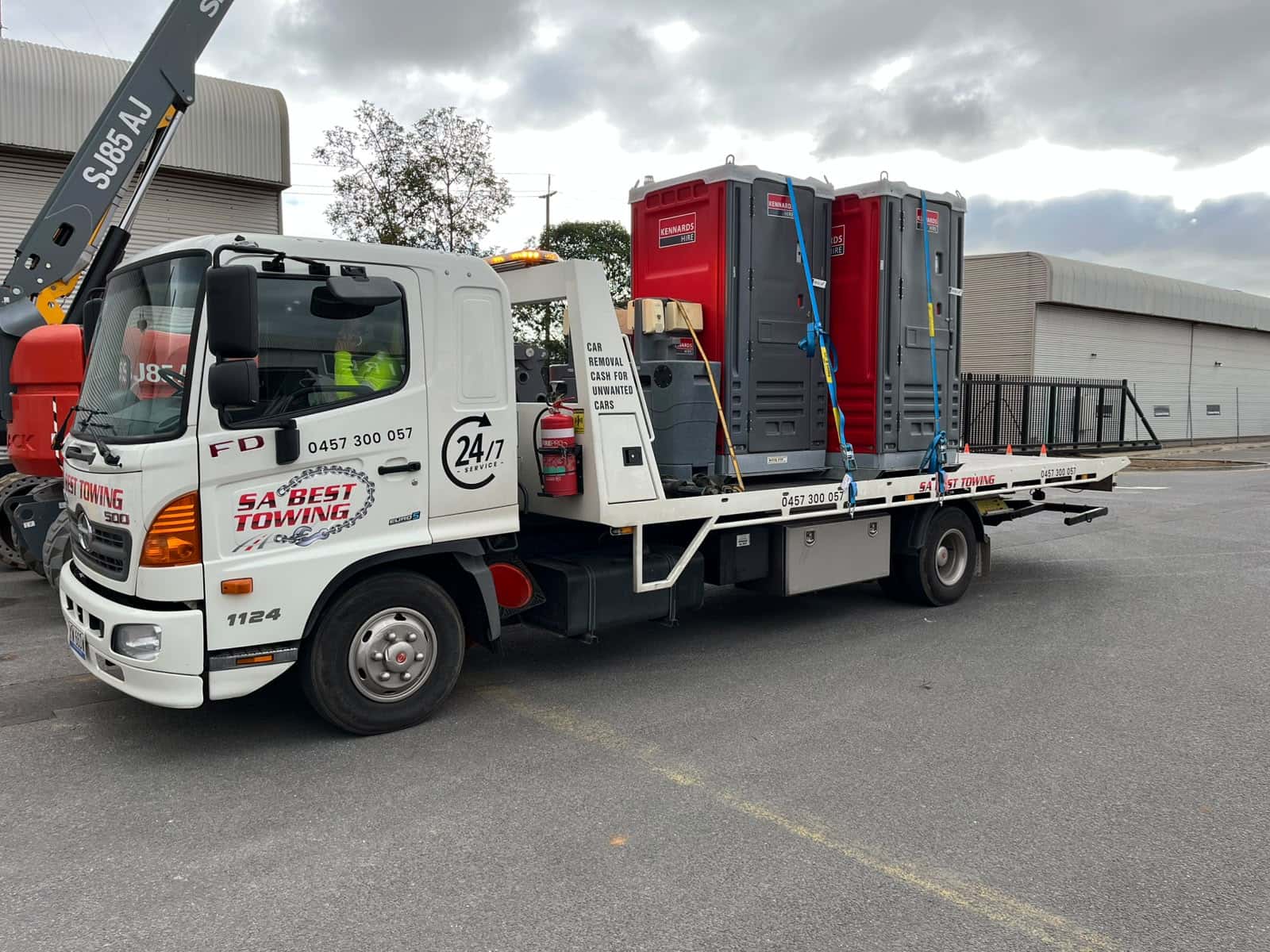
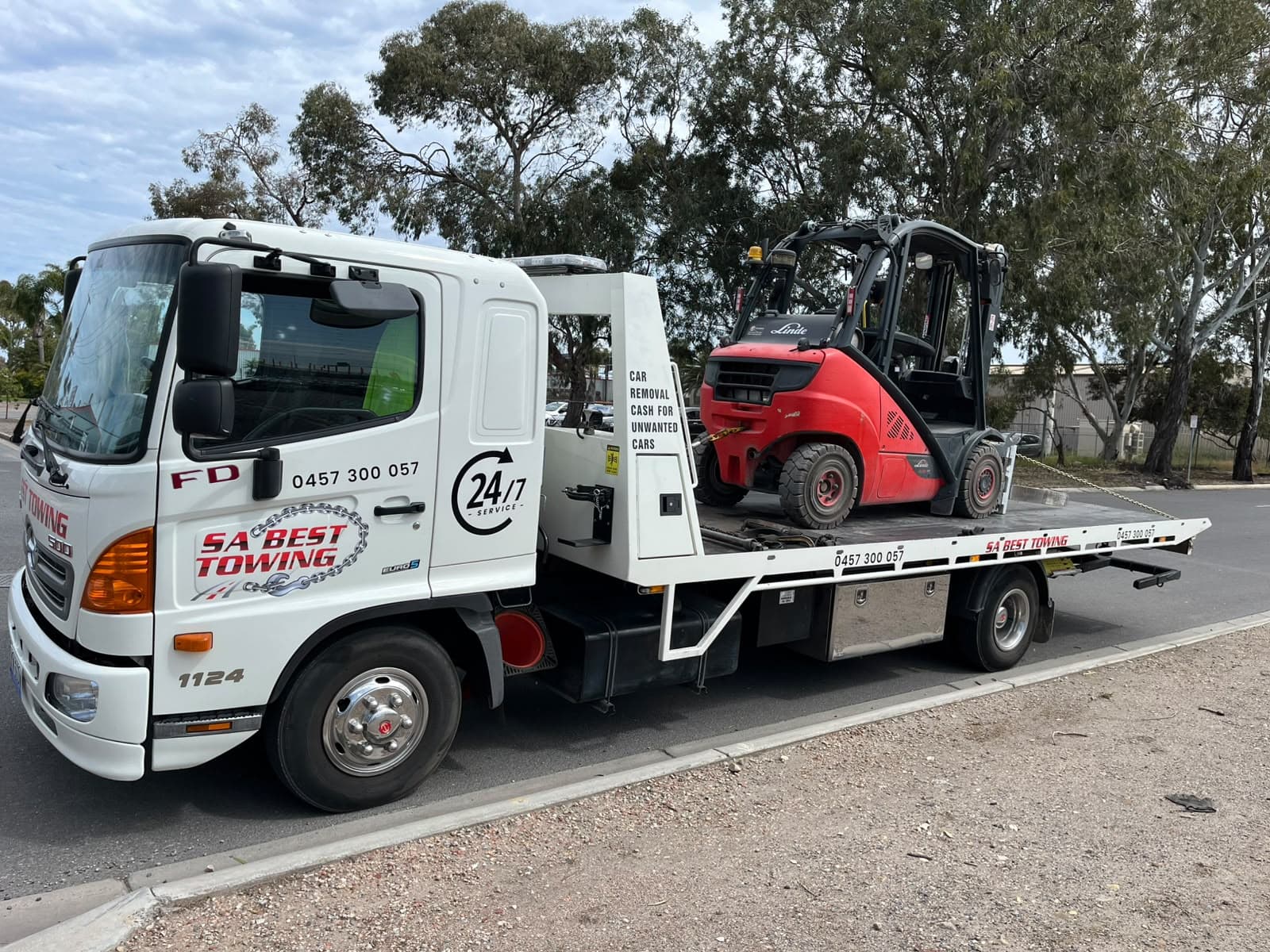
A tilt tray sets a container down in a straight line
The tray tips back until its tail meets the ground. To load, the winch cable connects through chains to the container’s bottom corner castings and draws it up the slope. To unload, the tray tilts, the truck eases forward, and the container slides off the tail and settles end first.
The container lands in line with the truck, so the truck needs a straight run to the spot, clear ground ahead to pull away, and open air above the raised tray. The doors face the same way on the ground as they did on the truck, so we load it with the doors pointing where you want them.
We carry empty containers and leave loaded ones to a side loader
The container has to be empty when we arrive. Tilting a loaded box sends everything inside sliding to one end, which shifts the weight on the tray and breaks what’s in there. Clear it out before the day, down to the pallets and loose shelving.
A side loader lifts the container with cranes mounted along its trailer and keeps the box level the whole way down. That makes it the truck for a loaded container. It also suits a box that has to sit hard against a fence or a shed, or a site with no straight run in and out for a tilt tray. If your job looks like one of these, we say so on the phone, before anyone books a truck.