Flat batteries and engines that won’t fire
A lot of breakdowns start in a driveway or a work car park, with a car that clicks and won’t fire. A jump start might get it going, but a battery that won’t hold charge, or a dead alternator, leaves you stuck again a few streets later. On the tray, the car goes to the auto electrician in one trip.
Overheating is the other common breakdown. Once the needle climbs into the red, pull over and switch off. Driving on with no coolant can warp the cylinder head, and then you’re paying for a head gasket. Leave the radiator cap alone until the engine has gone cold.
Stopped on a main road
If the car dies on South Road or Port Wakefield Road, get it as far left as it will go and put the hazards on. Climb out on the kerb side and wait behind the barrier or well back from the traffic.
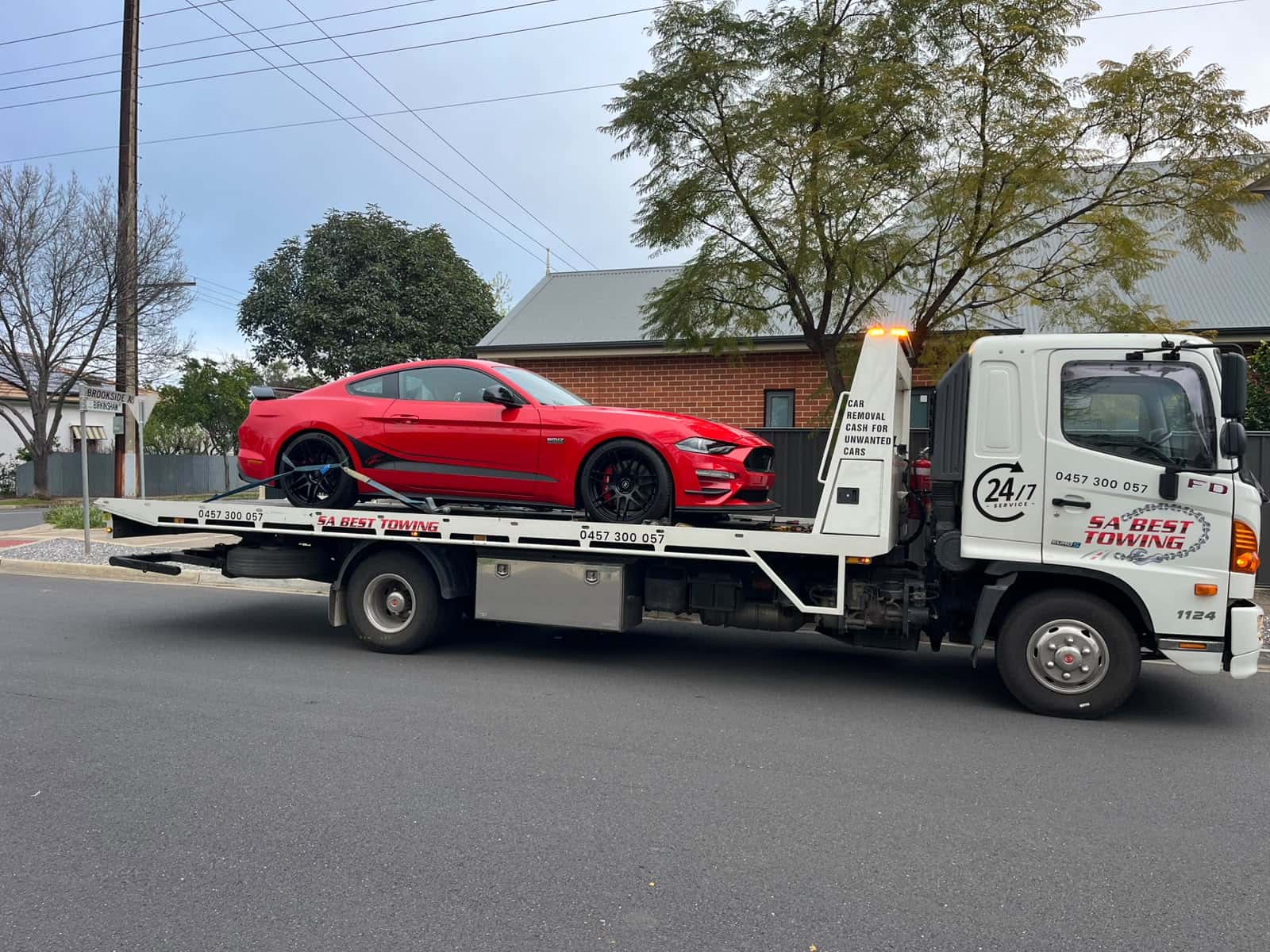
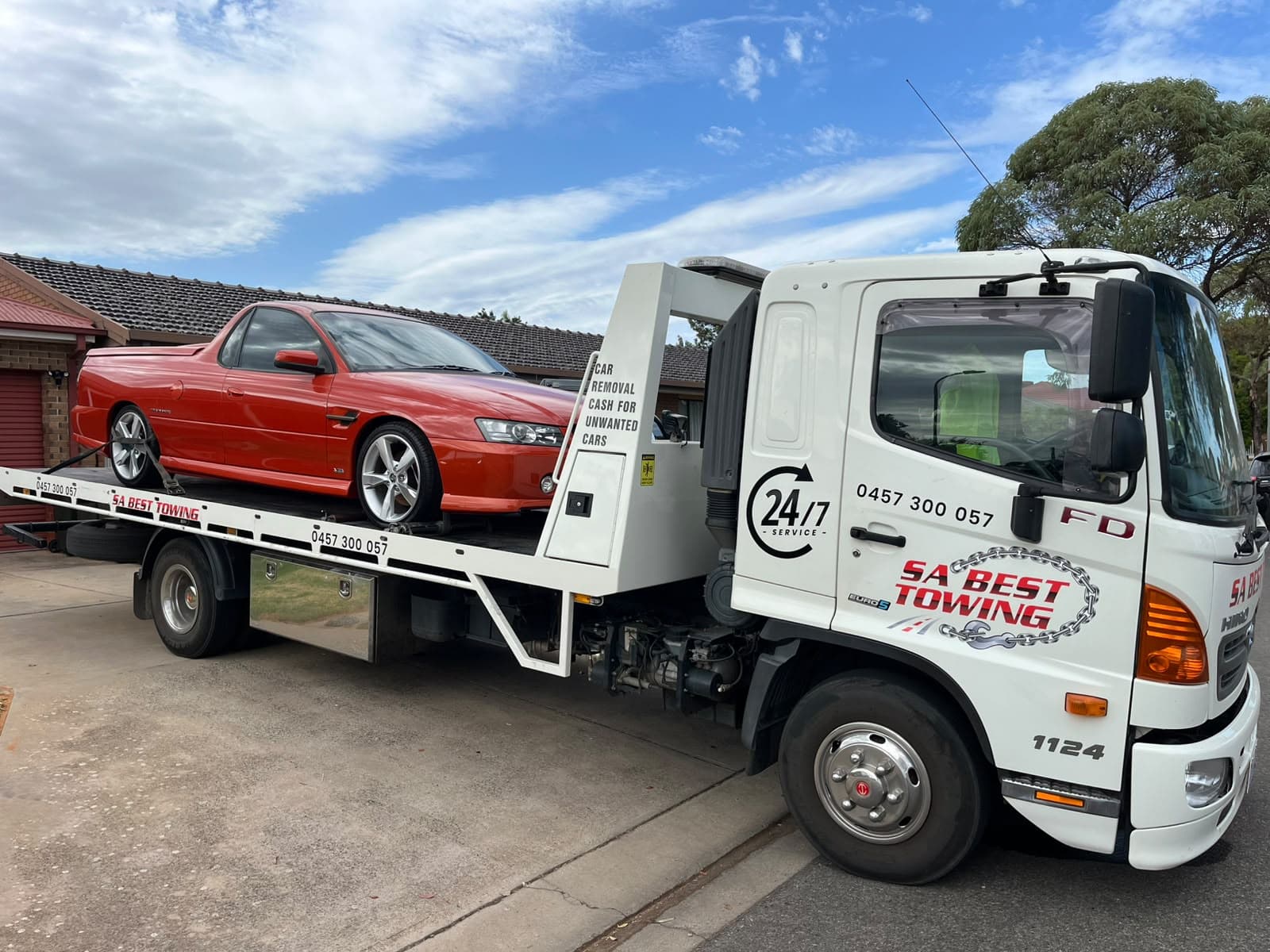
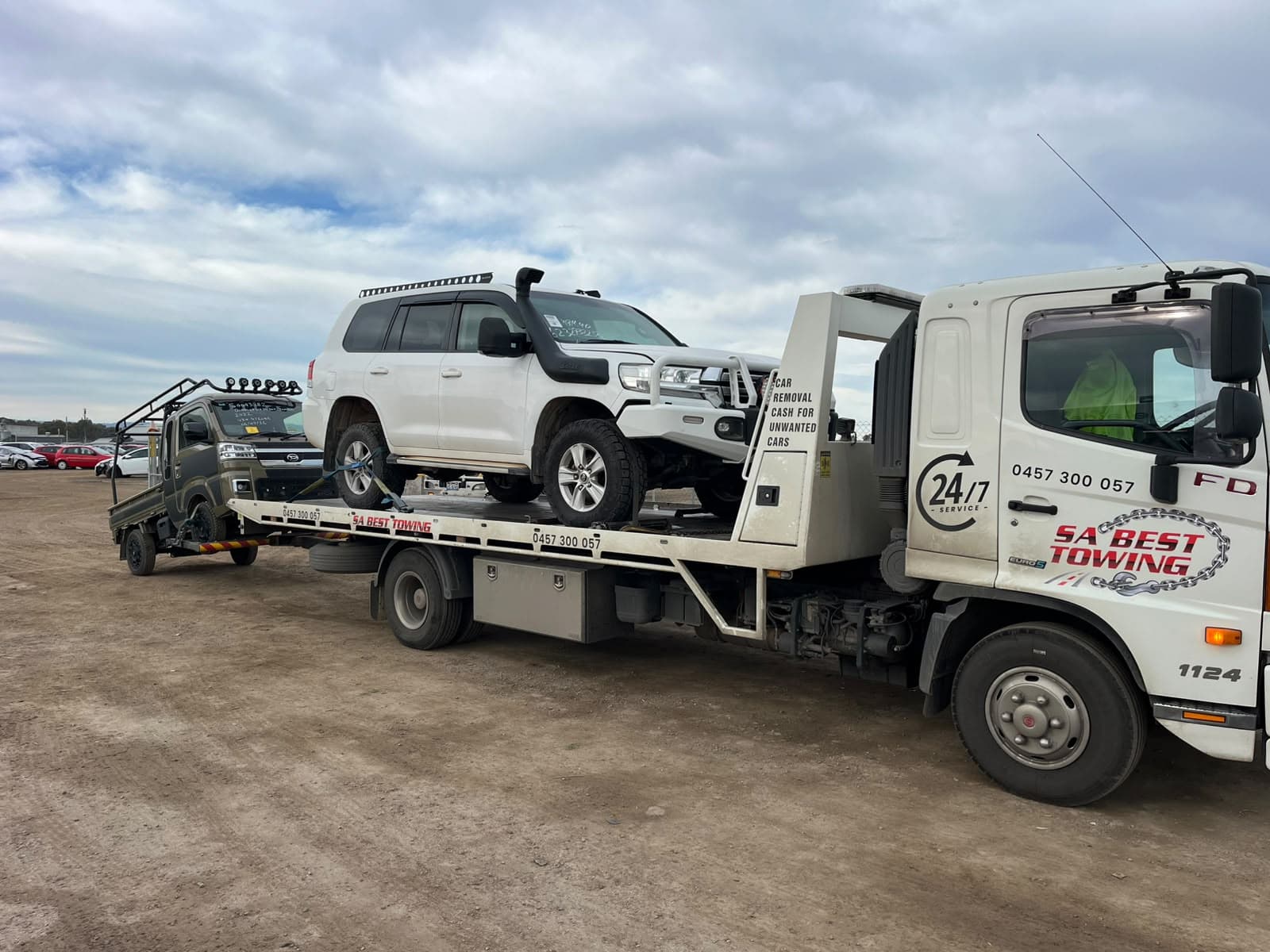
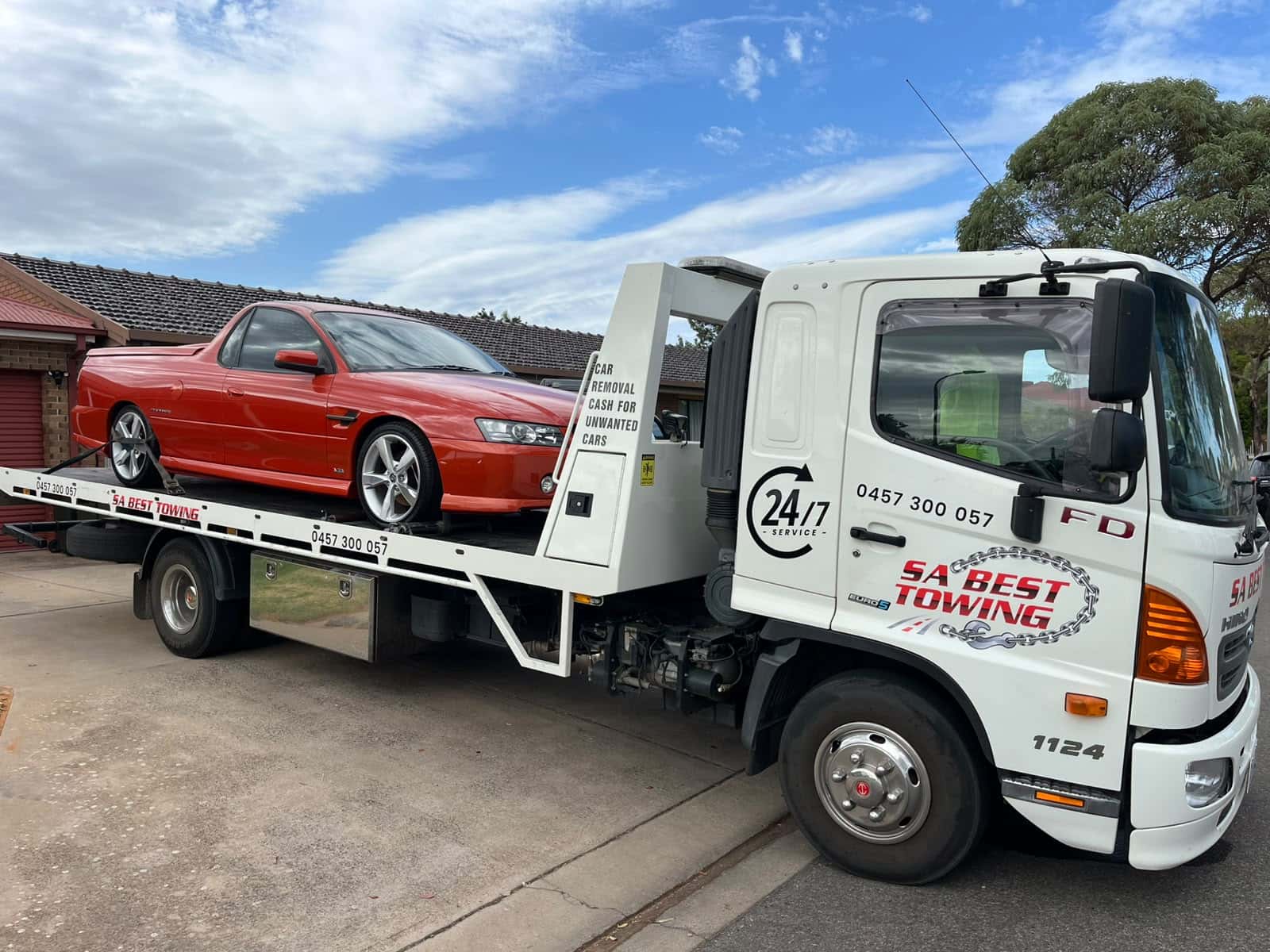
When you call, give us the direction you were heading and the nearest cross street. The driver parks in front of your car with the amber lights going, tilts the tray down and winches the car up. You stay off the road while that happens.
Dead clutches and stuck gearboxes
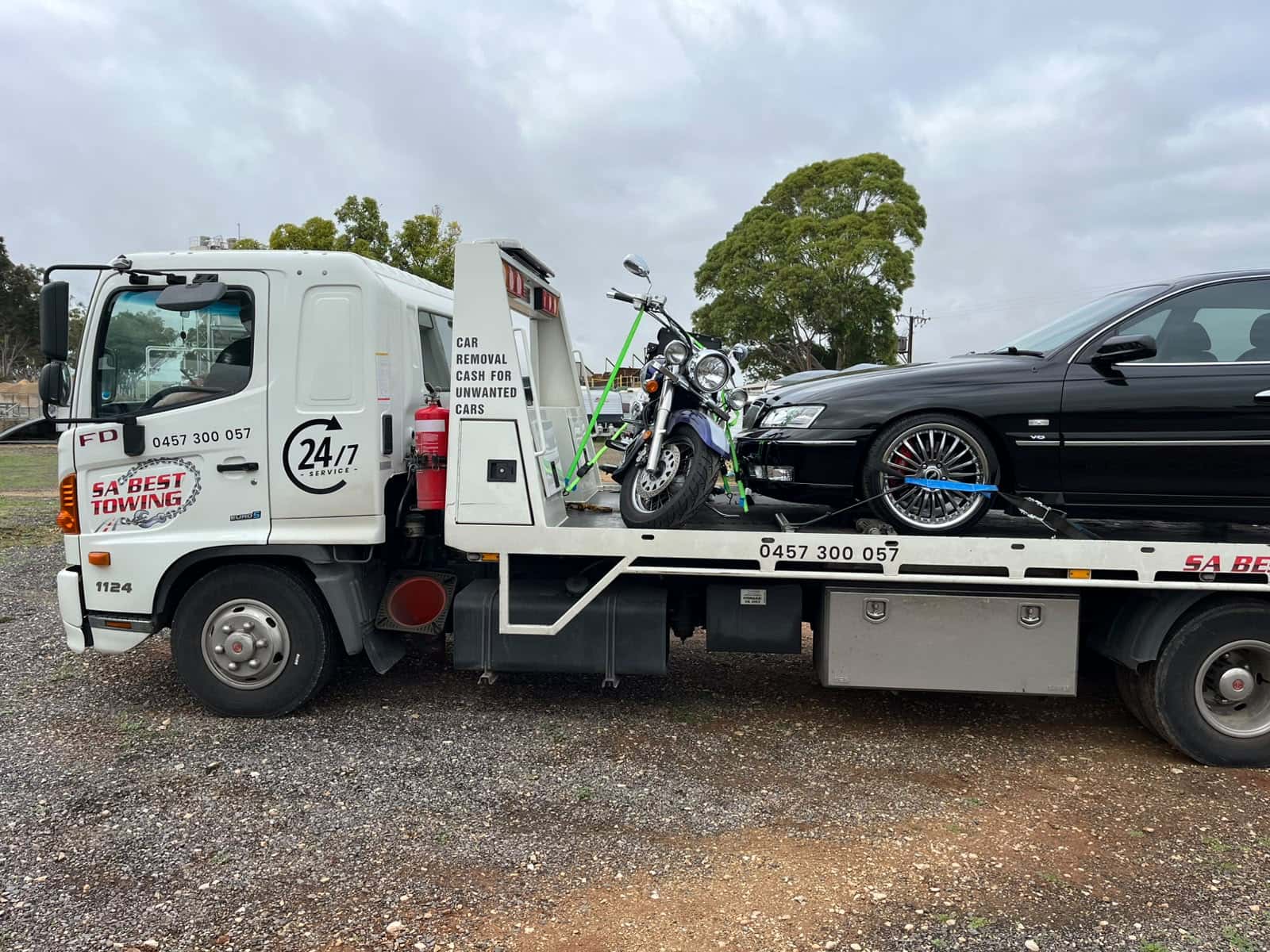
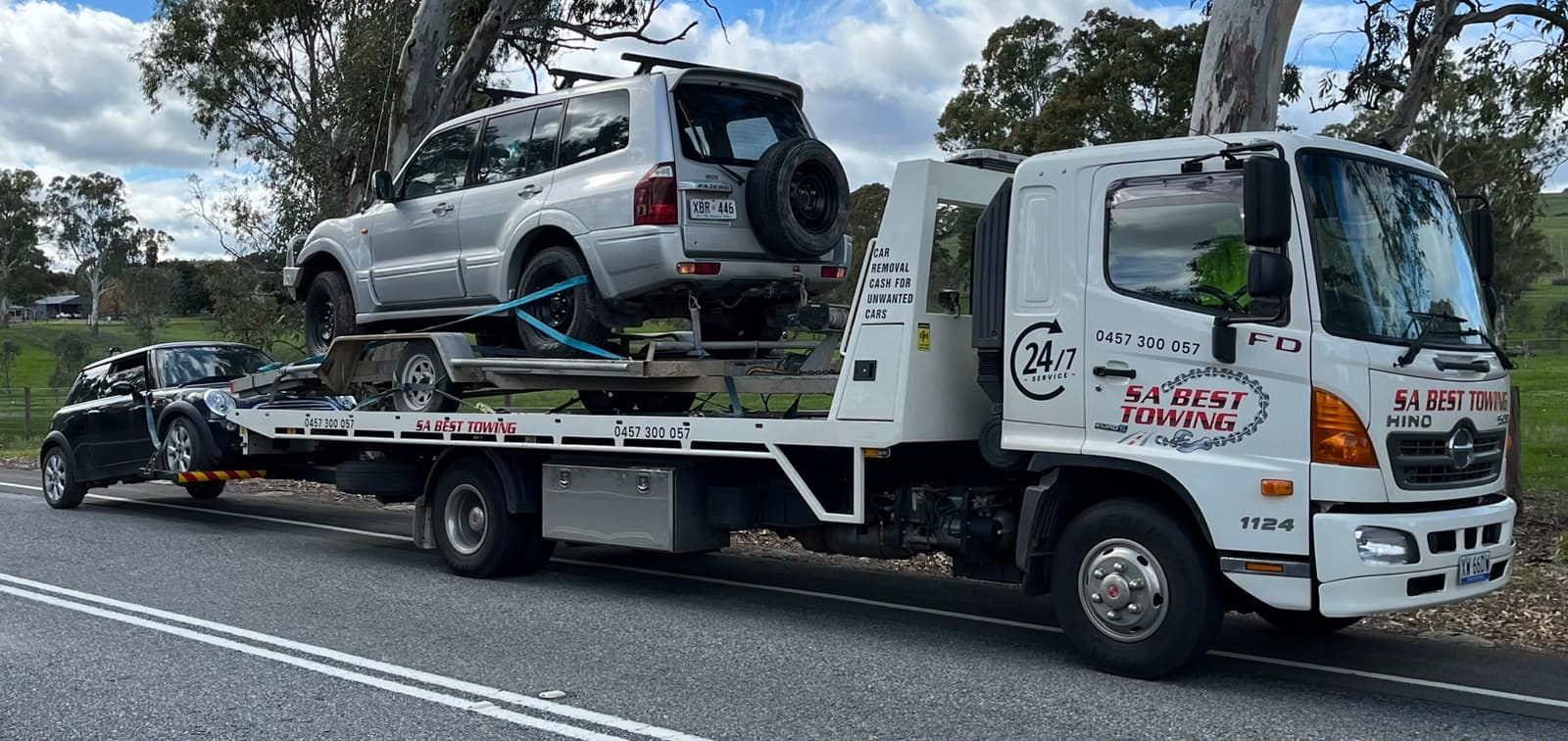
A failed automatic or a clutch that won’t disengage needs more care than a flat battery. Towed on a wheel lift, the driving wheels can end up turning on the road, which can finish off a gearbox that was half broken. On the tilt tray all four wheels sit on steel and nothing in the driveline moves.
If the car is stuck in gear, the handbrake has seized or a wheel is locked, tell us on the phone. The winch draws a car that won’t roll up the tray slowly.
Your choice of mechanic
We take the car to the workshop you already use, from the mechanic around the corner to a specialist on the other side of town. Ring them first to check they have room for it.
Breaking down after the workshop has shut is common. If you know where they want a car left when they’re closed, tell us when you call. Otherwise we can drop it at your place.